


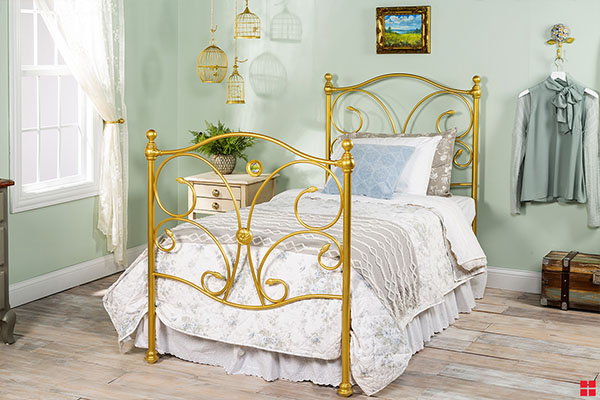
How to Spray Paint a Metal Bed Frame
An old metal bed frame doesn't necessarily need to be replaced just because its color looks dated or the finish has become scratched.
With proper preparation and the right paint, many metal bed frames can be refinished and given a completely different appearance.
The most important part of the project isn't spraying the color.
It is cleaning, removing loose rust or paint, preparing the surface and following the spray-paint manufacturer's instructions.
Here's how to do it properly.
Can You Spray Paint a Metal Bed Frame?
Yes. Many metal bed frames made from steel, iron or other paintable metals can be spray painted.
Spray paint works particularly well on bed frames because metal furniture often contains:
- Narrow rails
- Curved surfaces
- Decorative details
- Corners
- Spindles
- Hard-to-reach areas
Spraying can provide more even access to these surfaces than applying paint with a large brush. However, the correct preparation depends on the metal and its existing finish. Reviewing essential pre-painting tips beforehand ensures your substrate is ready for a durable coating.
What You'll Need
Your exact materials depend on the condition of the frame, but a typical project may require:
- Metal-compatible spray paint
- Metal primer, if required
- Sandpaper
- Wire brush for loose rust
- Cleaning cloths
- Mild cleaner or degreaser
- Drop cloth or cardboard
- Painter's tape
- Screwdriver or appropriate tools
- Protective gloves
- Eye protection
- Appropriate respiratory protection as specified by the product instructions
Always follow the safety directions on the spray paint and primer labels.
Step 1: Choose a Suitable Work Area
Spray paint creates overspray and fumes. Work outdoors whenever practical or in another location that meets the ventilation requirements specified by the product manufacturer.
Protect nearby:
- Floors
- Walls
- Cars
- Landscaping
- Furniture
- Other objects
with drop cloths, cardboard or appropriate coverings. Avoid spraying where wind can carry paint onto surrounding surfaces. Temperature and humidity also affect spray-paint performance, so check the application conditions listed on the can before starting.
Step 2: Disassemble the Bed Frame
If possible, disassemble the bed into manageable sections. Removing:
- Headboard
- Footboard
- Side rails
- Hardware
can make cleaning, sanding and painting much easier.
Before taking everything apart:
- Take photos of the assembled bed.
- Label parts if necessary.
- Keep bolts, screws and hardware together.
- Do not force seized or damaged joints.
If the bed has structural damage, repair it before refinishing. Paint should never be used to conceal a cracked, unstable or unsafe frame.
Step 3: Clean the Metal
Paint adheres best to a clean surface. Remove:
- Dust
- Dirt
- Grease
- Oils
- Residue
using an appropriate cleaner. After cleaning, allow the frame to dry completely. Do not begin sanding or painting while moisture remains on the surface.
Step 4: Remove Loose Paint and Rust
Inspect the frame closely. If you find loose paint or surface rust, remove it using sandpaper or a wire brush appropriate for the metal.
The goal is to eliminate:
- Flaking paint
- Loose rust
- Unstable coating
- Rough edges
Manufacturer guidance for metal spray painting recommends removing loose rust and paint before applying the new coating. You do not necessarily need to strip every trace of sound existing paint. Areas where the previous coating remains firmly bonded can often be prepared by cleaning and lightly sanding them.
Step 5: Sand Glossy Areas
Paint has difficulty adhering to an extremely slick, glossy surface. Lightly sanding shiny areas helps dull the existing finish and gives the new coating a better surface to bond to.
After sanding:
- Remove the sanding dust.
- Wipe the surface clean.
- Allow it to dry.
The metal should be clean, dry and sound before primer or paint is applied.
What If the Bed Frame Is Rusty?
Minor surface rust can often be removed during preparation. Use:
- Sandpaper
- Wire brush
- Another rust-removal method approved for the surface
until loose corrosion has been removed. If rust has penetrated deeply enough to weaken the metal, painting is not the solution. A structurally compromised bed frame should be repaired or replaced before being used.
Step 6: Decide Whether You Need Primer
Primer can improve:
- Paint adhesion
- Coverage
- Corrosion resistance
- Uniformity of the finish
Primer is particularly useful on:
- Bare metal
- Rust-prone ferrous metal
- Areas where rust was removed
- Surfaces where the spray-paint manufacturer specifies primer
Some modern spray paints combine primer and paint in one product. If you use one of those products, follow its instructions instead of automatically adding a separate primer. For previously painted metal, check whether the new coating is compatible with the existing finish.
Step 7: Apply the Primer
If primer is required, apply it according to the manufacturer's instructions.
In general:
- Shake the can as directed.
- Maintain the recommended distance from the surface.
- Keep the can moving.
- Avoid trying to achieve complete coverage in one heavy pass.
- Allow the primer to dry or recoat according to the label.
Several light passes generally produce better control than one excessively heavy application.
Step 8: Spray Paint the Bed Frame
Once the prepared surface or primer is ready, begin applying your finish color. The exact spraying distance and recoat time depend on the product, so follow the instructions on the can.
A good general technique is to:
- Keep the can moving continuously.
- Spray in smooth, even passes.
- Slightly overlap each pass.
- Apply multiple light coats instead of one thick coat.
- Check decorative areas from several angles.
Light coats reduce the risk of runs, drips, heavy buildup, and uneven texture. Allow each coat to dry according to the product instructions before applying another.
Don't Forget the Other Side
Metal bed frames contain many narrow surfaces. After one side has dried enough to handle according to the coating instructions, inspect:
- Back surfaces
- Undersides
- Corners
- Inside rails
- Decorative openings
- Connections
It is easy to miss these areas when spraying from only one direction.
Step 9: Let the Paint Dry Properly
One of the easiest mistakes to make is reassembling the bed too early. "Dry to the touch" does not necessarily mean the coating has fully cured.
Follow the paint manufacturer's instructions for:
- Recoat time
- Handling time
- Full use
- Cure time
Premature handling can create fingerprints, scratches, dents, and sticking between painted components. Give the coating sufficient time before reassembling the frame and returning the mattress.
Step 10: Reassemble Carefully
Once the finish is ready for handling and use:
- Reassemble the frame.
- Avoid dragging painted components against each other.
- Tighten connections appropriately.
- Inspect for missed areas or accidental scratches.
- Confirm that the bed is stable before adding the mattress.
Minor touch-ups may be necessary around connections after assembly.
Do You Need a Clear Coat?
Not always. Many metal spray paints are designed to function as the final protective finish without a separate clear coat.
A clear topcoat may be appropriate for certain products or decorative effects, but only use one if it is compatible with the paint underneath. Applying an incompatible clear finish can cause:
- Wrinkling
- Lifting
- Uneven sheen
- Adhesion problems
Check the paint manufacturer's recommendations before adding another coating.
What Type of Spray Paint Should You Use?
Look for a spray paint designed for metal and appropriate for the location where the bed will be used. Possible finishes include:
- Matte
- Satin
- Semi-gloss
- Gloss
- Metallic
- Textured
- Hammered
For a metal bed frame, durability and compatibility with the existing surface are more important than choosing a particular sheen. If rust protection is a concern, select a system designed for rust-prone metal.
How Many Coats of Spray Paint Does a Metal Bed Frame Need?
There is no universal number. Coverage depends on:
- Existing color
- New color
- Primer
- Spray paint
- Surface condition
- Paint opacity
- Application technique
Several light coats are generally preferable to one thick coat. Stop when you have achieved the coverage required by the product rather than applying unnecessary layers.
Should You Sand Between Coats?
Not automatically. Some products may allow or recommend light sanding between coats under certain circumstances, while others have specific recoat windows. Follow the instructions for the spray paint being used. If dust or a defect becomes trapped in the finish, light correction may be appropriate after the coating has dried sufficiently.
Can You Spray Paint Over Rust?
Loose rust should be removed first. Some paint systems are specifically designed for properly prepared rusty metal, but that doesn't mean heavily corroded metal should simply be painted over.
Before painting:
- Remove loose rust
- Clean the surface
- Evaluate whether the metal remains structurally sound
- Use the appropriate rust primer or coating system when required
Can You Spray Paint Over Existing Paint?
Usually, if the existing coating remains firmly attached and is compatible with the new paint. Preparation commonly involves:
- Cleaning
- Removing loose paint
- Lightly sanding glossy surfaces
- Removing dust
- Priming when appropriate
If the old coating is peeling or poorly bonded, painting directly over it will not solve the problem.
Common Metal Bed Painting Mistakes
- Skipping Cleaning: Paint applied over grease or dirt may not adhere well.
- Painting Over Loose Rust: Loose corrosion should be removed before painting.
- Applying One Heavy Coat: Heavy coats are more likely to run, drip and dry unevenly.
- Holding the Spray Can Too Close: This can create excessive buildup and runs. Use the distance specified on the product label.
- Ignoring Drying Times: Handling the frame too soon can damage an otherwise good finish.
- Painting a Structurally Damaged Frame: Cosmetic refinishing does not repair weakened metal, broken welds or unsafe joints.
What About Very Old Painted Metal Beds?
Use additional caution with older or antique painted furniture. If the existing coating is very old and its composition is unknown, avoid aggressively sanding or creating unnecessary dust until you understand what type of coating may be present. For valuable antique beds, restoration may also require a different approach from a normal DIY repaint.
Spray Paint vs. Brush Painting a Metal Bed
Both methods can work depending on your setup and piece.
Spray Painting: Offers easy access to curves and decorative areas, produces a smooth finish with fewer brush marks, and delivers efficient coverage of narrow components.
Brush Painting: Results in less overspray, enables easier use in controlled indoor spaces, and allows for more targeted application.
For a broader evaluation of how these techniques compare on different home surfaces, explore our breakdown on spray paint vs. brush paint: which is better.
Should You Hire a Professional Painter for a Metal Bed?
A metal bed frame is often a manageable DIY project. Professional help may make more sense if:
- The piece is valuable or antique
- Rust is extensive
- Previous coatings are failing badly
- Specialty finishes are required
- Structural repairs are necessary
For most homeowners, however, careful preparation and following the coating manufacturer's directions can produce a good DIY result.
Professional Residential & Commercial Painting Services
Refinishing furniture is often part of a larger room makeover. When you are ready to update the surrounding trim, walls, or architectural details, MGP Painting
We proudly serve communities across New York and New Jersey:
Ready to plan your next home or commercial improvement project? Contact us directly or request an estimate online today.
Frequently Asked Questions
Can you spray paint a metal bed frame without sanding?
Some paint products may bond to properly cleaned metal without extensive sanding, but loose paint, rust and glossy surfaces generally need preparation. Follow the instructions for the specific coating.
Do I need primer before spray painting a metal bed?
Primer is often recommended for bare or rust-prone metal, but some spray paints include primer. Check the product instructions.
How long should spray paint dry before reassembling a bed?
Follow the manufacturer's handling and cure times. Dry-to-touch time is not the same as being ready for reassembly or normal use.
How do you keep spray paint from dripping?
Apply several light coats, keep the can moving and maintain the distance specified on the label instead of spraying one heavy coat.
Can I spray paint over rust?
Remove loose rust first. Some coatings are formulated for properly prepared rusty metal, but severe corrosion or weakened metal needs repair rather than paint.
What spray paint is best for a metal bed frame?
Choose a coating formulated for metal and compatible with the existing surface. If corrosion is a concern, consider a rust-resistant primer and paint system.
Can I use a clear coat over spray paint?
Sometimes, but it isn't always necessary. Only apply a clear finish that is compatible with the paint underneath.
Recent Posts
- Get Your Home Holiday Ready: 5 Interior Painting Projects That Make a Big Difference
- Why Summer Is the Best Time to Paint Your Home
- 7 Signs Your Home Needs Exterior Painting This Summer
- The Best Exterior Paint Colors for Summer 2026: Popular Choices for Homes in Rockland County, Bergen County, Westchester County & the Hudson Valley
- Garage Floor Painters & Concrete Coating Experts Near You: What to Expect in 2025
- Business Painting Services That Mean Business: What to Expect from a Professional Commercial Painter
- What’s the Difference Between Commercial and Residential Painting Services?
- Types of Commercial Painting Services Explained: Interior, Exterior & Specialty Jobs
- Why Commercial Properties Need Specialized Painting Solutions
- Office Building Painting 101: Tips, Colors & Cost Guide
- Top Qualities to Look for in a Commercial Painting Company
- Interior vs. Exterior Commercial Painting: What Your Property Needs First
- Retail Painting Services: How to Keep Your Storefront Looking Fresh Year-Round
- How to Choose the Right Commercial Painting Contractor for Your Building
- Need Commercial Painting Experts Near You? Here's What We Offer
- Everything You Need to Know About Painting Interior Doors
- How Long Does Interior Paint Really Last (And How Often Should You Repaint?)
- Painting Cabin Interiors: Best Colors, Finishes, and Techniques
- Interior vs. Exterior Paint: What’s the Real Difference?
- Painted Hardie Board & Wall Texture Tips: What Homeowners in Cornwall Hudson Need to Know
- From Walls to Exteriors: Luxe Finishes with Foil Gold Wallpaper, Pre-Painted Hardie Board & Sherwin-Williams Products
- How Much Does It Really Cost to Sand Texture a Painted Wall?
- Vinyl Plank vs. Laminate Flooring: The Ultimate Homeowner's Guide
- Top Tips to Choose the Wall Texture Types for Your Home
- Affordable Painting Services Near Me: How Much to Paint a Bedroom and Other Home Painting Costs
- Affordable Painting Contractors Near Me: How Much Does It Cost to Paint a House Exterior?
- How to Save on Painting a Two-Story House: Affordable Painting Contractors in Your Area
- How Much Does It Cost to Paint a Room? Find Affordable Painters Near You
- Interior House Painting in Bergen & Rockland County – Done Right
- Can You Use Interior or Exterior Paint in the “Wrong” Place?
- How Long After Washing Walls Can You Paint? Plus, Expert Help from MGP Painting
- Why Hiring Professional Painters is the Best Decision for Your Home or Business?
- Why Hiring Professional Painters is Key to Stunning Venetian Plaster Walls?
- Why Choose Professional Painters for Your Interior Painting in Westchester County, NY?
- Why a Fresh Coat of Paint is the Perfect Gift for Your Home This Holiday Season?
- The Best Crown Molding Ideas for Your Mobile Home
- When to Use Elastomeric Paint on Stucco Surfaces?
- How Whitewashed Brick Can Give Your Rockland House a Stylish, Modern Vibe?
- The Ultimate Guide to Cleaning and Staining Cedar Siding
- How MGP Painting Resolves Exterior Painting Issues in Allendale, Ardsley, and Baldwin Place?
- How to Choose the Perfect Rustic Barn Colors for Your Property?
- Painting James Hardie Siding: The Best Exterior Paint for Painting Fiber Cement Siding
- Wood vs. Vinyl Siding: A Comprehensive Comparison
- Paint or Replace Vinyl Siding: Which Option is Right for Your Home?
- Embrace Fall 2024 with Trendy Home Colors: Insights from Magnolia Homes and Sherwin-Williams
- Trending Colors in Residential Interior Painting for 2024
- The 3 Biggest Mistakes Westchester Homeowners Make in DIY Kitchen Cabinet Painting
- Top 5 Painting Tips To Get Your Rockland Home Holiday-Ready
- Why Choose a Professional Interior-Exterior House Painting Contractor in Westchester County, NY
- 5 Tips for Choosing the Right House Painter in Bergen County, NJ
- What is the average cost to remove wallpaper in Rockland County?
- How much does it cost to hire an interior painter?
- How much does it cost for interior painting in Westchester County, NY?
- Cost of Painting Kitchen Cabinets Vs Replacing them | A Detailed Comparison
- How Much Does it Cost to Paint Kitchen Cabinets in 2022?
- Five Common Problems Professional Wallpaper Installers Face
- Time Saving Tips For Easy Foil Wallpaper Installation
- What to Expect from MGP’s Professional Wallpaper Installation Service In Westchester?
- Is Prepasted Wallpaper Installation Easy?
- Why is Grasscloth Wallpaper Installation Service so expensive?
- Professional Wallpaper Installers Near Westchester County-An MGP Painting Guide
- Kitchen Cabinets Painting Costs In 2022- MGP Painting
- Why was Popcorn Ceiling Popular?
- What is the Average Wallpaper Removal Cost Per Room?
- New Construction: How to Choose Best Paint Colors For Your Westchester Home?
- Warehouse Ceiling: Best Painting Options
- WALLPAPER INSTALLATION SERVICES - MGP PAINTING
- Masking Tape: Painting Techniques for a Flawless Paint Job
- Wall Mural Painting Ideas
- Laminate Flooring v/s Vinyl Flooring
- Different Types of Wall Textures
- How Much Commercial Paintings Cost?
- Eco-Friendly Paints: Brands You Should Try and Why People Love Them.
- How Long Does a Paint Job Last?
- Spray Paint vs. Brush Paint. Which is Better?
- How to Spray Paint a Metal Bed Frame?
- What is The Best Paint Type for Bathroom Walls
- How to Paint Over Outdated Wood Kitchen Cabinets?
- Types of Epoxy Flooring and Epoxy Installation Process
- How to Dispose of Old Paints?
- How Long After Washing Walls Can You Paint?
- How to choose ceiling colors for your living room accentuating walls?
- Wallpaper vs Paint: Which one is a better option for walls?
- How to Ensure Child Safety While Painting Your House?
- What is the difference between Venetian plaster and regular plaster?
- The Benefits of Deck Paint and How to Increase the Longevity of Your Deck?
- What is the best benefit of epoxy flooring?
- What is the best way to remove existing finishes from wooden decking?
- What Are The Benefits Of Hiring An Epoxy Flooring Contractor?
- Five Benefits Of Hiring A Professional Interior Painting Contractor
- How to Fix Painting Mistakes on Walls?
- Which Season Works Best For House Exterior Painting
- How To Remove Popcorn Ceiling?
- How Often Should You Paint The Exterior Of Your House
- Best Way To Clean Walls Before Painting
- How much does it cost to repaint kitchen cabinets?
- Fall In Love With Your Walls This Season
- When Is It Time to Paint? (Pssst… Now!)
- Prepare Your Home For Summer
- Do’s and Don’ts of Painting When You Want to Sell Your House
- Paint Your Home Like a Pro with These 5 Painting Rules
- Your Interior Colors can Affect Your Mood
- Need a Power-Washing or a Pressure-Washing?
- Affordable, Trendy Designs, at Attractive Prices
- How Painting Can Improve Your Home’s Value
- Why Yearly Deck Maintenance is Important
- 5 Things to Know When Choosing a Paint Color
- Local vs. National: Why Hire Close to Home?
- Pre-painting Tips from the Experts at MGP
- How the Professional Residential Painting Services Are Perfect for Your Home