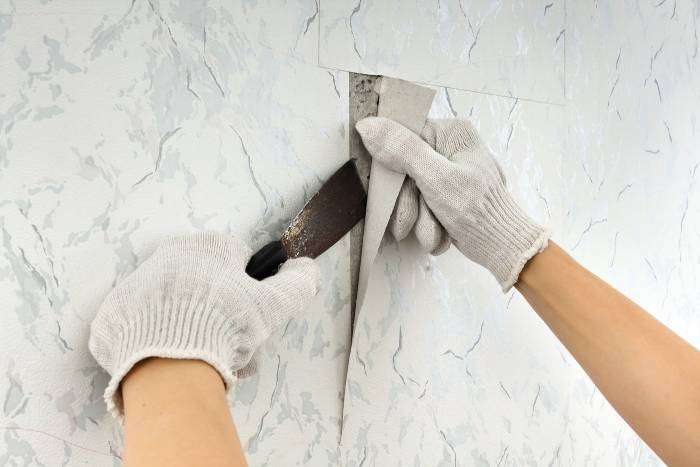
Removing old wallpaper can seem straightforward until you discover multiple layers, stubborn adhesive, damaged drywall, or wallpaper that has been on the wall for decades.
That's why the cost of professional wallpaper removal can vary considerably from one home to another.
As a general 2026 national benchmark, professional wallpaper removal often falls around $0.60 to $3 per square foot, while typical projects can range from a few hundred dollars to more than $1,000 depending on the size and complexity of the job.
However, those figures should only be used for preliminary budgeting.
For homeowners in Rockland County, Westchester County and Orange County, NY, or Bergen County, NJ, the actual cost depends on the wallpaper, the wall underneath it, the amount of preparation required, and what you want to do with the walls afterward.
Average Wallpaper Removal Cost Per Square Foot
Professional wallpaper removal is commonly priced according to the amount of wall surface being stripped.
A general national range is approximately: $0.60 to $3 per square foot
That means a basic project may cost considerably less than one involving several layers of old wallpaper, difficult adhesives, high walls, or damaged drywall.
| Wallpaper Area |
General Budget Range |
| 100 sq. ft. |
$60–$300 |
| 200 sq. ft. |
$120–$600 |
| 300 sq. ft. |
$180–$900 |
| 400 sq. ft. |
$240–$1,200 |
| 500 sq. ft. |
$300–$1,500 |
These are national budgeting examples, not MGP Painting quotes. Local pricing can vary according to labor rates, wall condition, removal method, preparation, and project minimums.
How Much Does Wallpaper Removal Cost Per Room?
There isn't one fixed price that applies to every room.
A small powder room with easily removable wallpaper may cost much less than a large bedroom containing several layers of old paper and adhesive. To get a clearer idea of pricing dynamics, learn more about what is the average wallpaper removal cost per room.
The wall surface area matters more than floor square footage. For example, two bedrooms may have the same floor area but very different wallpaper removal costs because one has:
- Higher ceilings
- More wallpapered walls
- More doors and windows
- Multiple layers
- Difficult adhesive
- Damaged drywall underneath
A contractor needs to evaluate the actual walls before giving an accurate price.
What Affects Wallpaper Removal Cost?
Several factors can make wallpaper relatively easy or extremely labor-intensive to remove.
1. Type of Wallpaper
Not all wallpaper behaves the same way during removal. Examples include:
- Traditional paper wallpaper
- Vinyl wallpaper
- Fabric-backed wallpaper
- Peel-and-stick wallpaper
- Grasscloth wallpaper
- Foil wallpaper
- Textured wallpaper
- Painted-over wallpaper
Some products strip away relatively easily. Others need to be scored, softened, steamed, or carefully scraped before the adhesive can be removed.
2. Number of Wallpaper Layers
Older homes may contain more than one layer of wallpaper. Sometimes new wallpaper was installed directly over an existing wallcovering rather than removing it first. Each additional layer increases the amount of material and adhesive that must be removed. Multiple layers can therefore increase labor considerably.
3. Age of the Wallpaper
Wallpaper that has been on a wall for many years may become more difficult to remove. Old adhesives can harden, wallpaper may become brittle, and previous installation methods can make removal unpredictable. Age alone doesn't determine the price, but it can affect the amount of work required.
4. Wall Material
The wall underneath the wallpaper matters. Wallpaper can be installed over:
- Drywall
- Plaster
- Previously painted walls
- Primed surfaces
- Other wall finishes
Drywall requires particular care because aggressive scraping or excessive moisture can damage the paper surface. Plaster behaves differently and may tolerate certain removal methods better, but cracks or deterioration can still require repairs. The condition of the wall should be evaluated before removal begins.
5. How the Wall Was Prepared Before Wallpaper Installation
Wallpaper installed over a properly prepared and primed wall may be easier to remove than wallpaper bonded directly to bare drywall—which is also why it's critical to know is prepasted wallpaper installation easy and properly prepped beforehand.
Unfortunately, homeowners often don't know how the wall was prepared until removal starts. This is one reason wallpaper removal estimates sometimes change after a test section is evaluated.
6. Adhesive
Different wallpapers use different adhesives. Some release easily. Others require soaking, wallpaper-removal solutions, steaming, scraping, or a combination of methods. Stubborn adhesive can also remain after the wallpaper itself has been removed. That residue needs to be dealt with before painting or installing new wallpaper.
7. Wall Height and Accessibility
High walls require more labor and equipment. Wallpaper removal in:
- Stairwells
- Tall foyers
- High-ceiling rooms
- Difficult corners
can take longer than the same amount of wallpaper on standard-height walls.
8. Doors, Windows and Architectural Details
A room containing many windows, doors, built-ins, molding, or architectural features may require more detailed work around edges and corners.
9. Repairs After Wallpaper Removal
Wallpaper removal sometimes reveals problems that were previously hidden. These may include:
- Torn drywall paper
- Holes
- Cracks
- Old repairs
- Loose plaster
- Uneven surfaces
- Adhesive residue
- Water stains
If the wall needs to be patched, skim coated, sanded, or otherwise repaired before painting, that work can increase the overall project cost.
Wallpaper Removal Methods and Their Effect on Cost
The correct removal process depends on the type of wallpaper and adhesive.
Dry Stripping: Some wallpapers can be peeled from the wall with relatively little moisture. If the paper releases easily and leaves minimal adhesive behind, removal may be faster and less expensive.
Soaking and Scraping: Other wallpapers need to be softened with water or a wallpaper-removal solution before being carefully scraped away. This adds labor and cleanup.
Steaming: Steam may be useful for some particularly stubborn installations.
The correct method depends on the wallpaper, adhesive, and wall underneath it. Using too much moisture or aggressive scraping can damage certain wall surfaces, which is among the five common problems professional wallpaper installers face and manage during wall preparation.
Does Wallpaper Removal Include Wall Preparation?
Not always. This is one of the most important questions to ask when comparing estimates.
One quote may include only removing the wallpaper. Another may include:
- Wallpaper removal
- Adhesive removal
- Wall cleaning
- Minor patching
- Sanding
- Skim coating
- Priming
- Cleanup
If you compare only the total price without comparing the scope, two estimates can look very different even though they are not quoting the same work.
What Happens After Wallpaper Is Removed?
Once the wallpaper comes down, the wall must be evaluated. If you plan to paint, the surface may need:
- Adhesive removal
- Cleaning
- Drying
- Patching
- Sanding
- Skim coating where necessary
- Priming
- Painting
The objective is to create a clean, smooth, stable surface before the new finish is applied. If you plan to install new wallpaper instead, you can explore whether to renovate your home with our renovate your home with our wallpaper removal and installation services to handle both phases seamlessly.
Does Wallpaper Removal Include Painting?
Usually, wallpaper removal and painting should be treated as separate portions of the project unless the estimate specifically includes both.
After removal, the condition of the wall determines how much preparation will be necessary before painting. Homeowners should ask whether the estimate includes:
- Wallpaper removal only
- Adhesive removal
- Repairs
- Primer
- Painting
MGP Painting provides both wallpaper-related services and professional interior painting, so these stages can be evaluated together when appropriate. If you're planning a design refresh, you can also see how to pair wallpaper and paint across accent walls and adjacent rooms.
Does Old Wallpaper Cost More to Remove?
It can. Older wallpaper may:
- Have stronger or hardened adhesive
- Contain multiple layers
- Tear into small pieces instead of stripping cleanly
- Have been installed without proper wall preparation
- Hide damaged surfaces
However, age isn't the only factor. A relatively new wallpaper installed incorrectly can also be difficult to remove.
Does Painted-Over Wallpaper Cost More to Remove?
Potentially. Paint can prevent moisture or removal solution from reaching the wallpaper and adhesive underneath. The surface may need to be scored or otherwise prepared before removal can begin. Painted-over wallpaper can therefore require considerably more effort than easily strippable wallcovering.
Can You Remove Wallpaper Yourself?
Some homeowners can successfully remove wallpaper themselves, particularly when:
- The room is small
- The wallpaper strips easily
- The walls are in good condition
- There is only one layer
- The project is accessible
However, DIY removal becomes more complicated when dealing with old wallpaper, multiple layers, painted wallpaper, delicate drywall, high walls, difficult adhesives, expensive wall finishes, and significant wall damage.
One of the biggest risks is damaging the drywall or plaster underneath the wallpaper. What begins as a wallpaper-removal project can then turn into a larger wall-repair project.
Is Professional Wallpaper Removal Worth It?
Professional removal may make sense when:
- Wallpaper is difficult to strip
- Several rooms are involved
- You don't know what is underneath the wallpaper
- Walls need repairs
- The wallpaper has multiple layers
- You plan to paint immediately afterward
- You want to reduce the risk of wall damage
The value isn't simply removing the paper. It's preparing the wall so that the next finish can be applied properly, which is why homeowners trust MGP Painting expert wallpaper installation for flawless walls.
Questions to Ask Before Hiring a Wallpaper Removal Contractor
Before accepting an estimate, ask:
- Is the quote based on wall surface area or project scope?
- Is adhesive removal included?
- Are minor wall repairs included?
- Is skim coating included if needed?
- Is primer included?
- Is painting included?
- Is cleanup included?
- What happens if multiple wallpaper layers are discovered?
- What happens if drywall is damaged underneath?
- Is there a minimum project charge?
Understanding these details makes contractor estimates much easier to compare.
Wallpaper Removal Cost in Rockland County, NY
For homeowners in Rockland County, the national averages above can provide a preliminary budgeting reference, but they shouldn't be treated as a local quote.
Actual Rockland County wallpaper removal costs depend on:
- Size of the project
- Wallpaper type
- Number of layers
- Adhesive
- Wall material
- Wall condition
- Ceiling height
- Repairs
- Desired finish afterward
MGP Painting serves homeowners throughout Rockland County, including New City, Nyack, Nanuet, Pearl River, Suffern, Tappan, Stony Point, Haverstraw and surrounding communities. If you're looking to update your interiors after removal, check out our wallpaper installation services in Rockland: say goodbye to boring walls.
Wallpaper Removal in Westchester & Orange County, NY
The same factors apply to wallpaper removal projects throughout Westchester and Orange County. Older homes can sometimes contain plaster walls, multiple wallpaper layers, or previous repairs that only become visible after the wallcovering is removed.
A site evaluation helps establish the actual preparation required before repainting or installing new wallpaper.
If you're exploring regional contractors, read our guide on professional wallpaper installers near Westchester County and discover what to expect from MGP's professional wallpaper installation service in Westchester.
Wallpaper Removal in Bergen County, NJ
MGP Painting also provides dedicated wallpaper removal services in Bergen County, New Jersey.
For homeowners specifically looking for local wallcovering specialists, visit our guide on wallpaper removal in Bergen County.
Wallpaper Removal vs. Installing New Wallpaper Over the Existing Paper
Homeowners sometimes consider covering old wallpaper rather than removing it. That approach can create problems if the existing wallpaper has:
- Loose seams
- Bubbles
- Texture
- Poor adhesion
- Moisture damage
- Multiple layers
Existing patterns or seams may also affect the new finish. In many cases, removing the old wallcovering allows the wall condition to be inspected and prepared properly before new wallpaper installation services are scheduled. For luxury upgrades, you can even explore luxe finishes with foil gold wallpaper.
Wallpaper Removal vs. Painting Over Wallpaper
Painting over wallpaper may seem faster, but it can create its own problems. Existing seams, texture, bubbles, loose areas, and adhesive can remain visible beneath the paint. If the wallpaper later releases from the wall, the painted finish can fail with it.
If you are weighing your redesign options, compare wallpaper vs paint: which one is a better option for walls, or read our guide to choose between paint and wallpaper installation services to decide the right fit for your home.
How to Get an Accurate Wallpaper Removal Estimate
Online cost ranges are useful for establishing a rough budget, but they cannot tell you:
- How many wallpaper layers are present
- What adhesive was used
- Whether drywall is damaged
- How the wall was prepared
- Whether repairs are necessary
- How easily the wallpaper will release
A professional can inspect the wallpaper and existing walls and provide an estimate based on the actual project.
Professional Wallpaper Removal in NY & NJ
MGP Painting provides professional wallpaper installation and removal throughout:
- Rockland County, NY
- Westchester County, NY
- Orange County, NY
- Bergen County, NJ
If you plan to paint after removing the wallpaper, MGP can also evaluate the wall repairs, preparation, primer, and painting required to complete the room.
Learn more about:
Request a Wallpaper Removal Estimate
The most accurate way to understand wallpaper removal cost is to evaluate the wallpaper, adhesive, wall condition, and amount of preparation required. MGP Painting provides free estimates for homeowners throughout its New York and New Jersey service areas.
Ready to get started? Request a Free Estimate today.
Frequently Asked Questions
How much does wallpaper removal cost per square foot?
National 2026 cost guides commonly place professional wallpaper removal around $0.60 to $3 per square foot. Local pricing can vary according to labor, wallpaper type, wall condition, accessibility, and repairs.
How much does wallpaper removal cost per room?
There is no fixed per-room rate. A small room with easily removable wallpaper may cost much less than a room containing high walls, multiple wallpaper layers, difficult adhesive, or damaged surfaces.
Why is wallpaper removal expensive?
Wallpaper removal is labor-intensive when paper does not strip easily. Multiple layers, old adhesive, wall repairs, high walls, and extensive cleanup can all increase the amount of work involved.
Does wallpaper removal damage drywall?
It can if the wallpaper was installed directly onto unprimed drywall or if excessive moisture or aggressive scraping is used. Careful removal helps reduce the risk, but existing damage may only become visible after the wallpaper comes down.
Do painters remove wallpaper?
Many professional painting companies also provide wallpaper removal because walls often need to be cleaned, repaired, primed, and painted after removal.
Is wallpaper removal cheaper if I have several rooms done?
Project minimums, setup, labor, and total wall area affect pricing. Larger projects may sometimes be more efficient than very small standalone jobs, but the actual price depends on the contractor and scope.
Can I paint immediately after wallpaper removal?
Not necessarily. Adhesive must be removed, the wall should be clean and dry, repairs may be required, and primer may be appropriate before painting.