


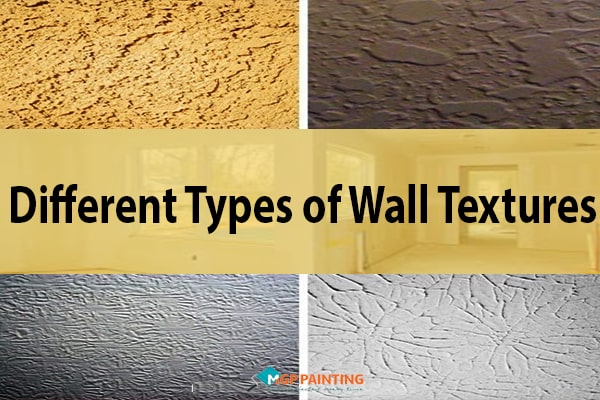
Different Types of Wall Textures: Which One Is Right for Your Home?
Wall texture can change the way a room looks without changing its color.
A subtle orange peel finish can add just enough variation to keep a wall from looking completely flat, while knockdown, slap brush or hand-applied textures can create a much more noticeable decorative effect.
Texture can also help make minor surface irregularities less noticeable, but it should not be used to hide serious drywall damage, cracks or moisture problems.
If you're considering textured walls or trying to match an existing finish, here are the most common wall texture types and what you should know before choosing one.
Wall Texture Types at a Glance
| Texture | Appearance | Texture Level | Maintenance | Common Use |
|---|---|---|---|---|
| Smooth | Flat and clean | None | Easiest to clean | Modern interiors |
| Orange peel | Fine, lightly dimpled | Light | Relatively easy | Walls and ceilings |
| Knockdown | Flattened, irregular pattern | Medium | Moderate | Walls and ceilings |
| Slap brush | Pronounced stamped pattern | Medium–heavy | More difficult | Decorative walls/ceilings |
| Sand swirl | Circular or overlapping swirls | Medium | Moderate | Feature walls/ceilings |
| Comb | Repeating lines or arcs | Medium–heavy | Moderate | Decorative applications |
| Skip trowel | Irregular hand-troweled finish | Medium | Moderate | Decorative interiors |
| Popcorn | Heavy granular texture | Heavy | Difficult | Primarily older ceilings |
The right choice depends on your home's style, the condition of the walls, how easy you want them to be to clean and whether you may want smooth walls later.
1. Smooth Walls
A smooth wall technically isn't a texture pattern, but it is the alternative against which textured finishes are usually compared.
Smooth walls create a clean, simple appearance and work particularly well in:
- Contemporary interiors
- Minimalist rooms
- Formal spaces
- Rooms with decorative molding
- Spaces where artwork is a focal point
Advantages of Smooth Walls
Smooth walls are generally:
- Easy to wipe clean
- Easy to repaint
- Compatible with most decorating styles
- Less likely to trap dust
- Easier to cover with wallpaper later
Disadvantages
Achieving a truly smooth finish requires good drywall preparation. Minor imperfections such as:
- Uneven joints
- Patches
- Dents
- Waves
- Sanding marks
can become more noticeable on smooth walls, particularly under strong side lighting. Reviewing essential pre-painting tips helps ensure the wall substrate is primed and stable before painting.
2. Orange Peel Texture
Orange peel is one of the most recognizable light wall textures. As the name suggests, the finished surface resembles the lightly dimpled skin of an orange.
It is generally created by spraying texture material onto a properly prepared surface. Commercial texture products are specifically manufactured to create patterns such as orange peel, spatter and knockdown on drywall and other suitable interior surfaces.
Why Homeowners Choose Orange Peel
Orange peel can:
- Add subtle visual depth
- Make minor drywall imperfections less noticeable
- Feel less visually heavy than stronger textures
- Work throughout an entire room
Because the texture is relatively shallow, it is also generally easier to clean and repaint than heavy textures.
Best for: When you want subtle texture without making the walls themselves an overwhelming design feature.
3. Knockdown Texture
Knockdown texture starts with sprayed texture droplets that are allowed to partially set before being flattened with a broad knockdown knife.
The result features flatter, broader plateaus separated by shallow crevices, giving the wall more dimension than orange peel without the roughness of heavy plaster. Knockdown is a popular option in:
- Living rooms and family rooms
- Hallways and stairwells
- Large open-concept walls
- Ceilings
Because this finish has higher physical relief, it catches slightly more dust over time and requires gentler cleaning techniques.
4. Slap Brush Texture
Slap brush texture uses a specialty brush to create a repeated stamped or stippled pattern in wet texture compound. Different brushes and application techniques yield unique looks, often known as:
- Crow's foot
- Stomp texture
- Stipple texture
Slap brush works best when you intentionally want visible texture, the room has a traditional style, or matching an existing textured surface is required. The tradeoff is that deeper ridges collect more dust and take extra care to clean.
5. Sand Swirl Texture
Sand swirl creates overlapping circular or curved patterns. The effect is more decorative than standard spray textures and is commonly created using a medium-bristle brush or hand-trowel motion.
It can produce:
- Circular patterns
- Half circles
- Repeated arcs
- Overlapping swirls
Because the pattern depends heavily on the installer's hand technique, matching an existing sand swirl pattern after drywall repairs can be challenging.
6. Comb Texture
Comb texture uses a toothed notched trowel to create repeated lines in wet texture mud. Patterns can include:
- Straight lines
- Waves
- Arcs
- Fan shapes
- Concentric circles
- Repeating geometric patterns
Because the lines form a visible pattern, consistency in spacing and pressure is critical across large wall spans.
7. Skip Trowel Texture
Skip trowel creates a multi-layered, Mediterranean-style hand finish. The installer angles a flat trowel with a small amount of joint compound across the wall, allowing the blade to lightly "skip" across the surface and leave thin, scattered patches of raised compound.
Skip trowel complements rustic interiors, southwestern designs, and Old World aesthetics. Because each artisan's rhythm differs, homeowners should always approve a physical sample board before texturing an entire room.
For regional insights on pairing artisan textures with durable exterior boards, see our guide on painted Hardie board and wall texture tips for Cornwall-on-Hudson homeowners.
8. Popcorn Texture
Popcorn is much more commonly associated with ceilings than modern walls. It creates a coarse, heavy acoustic finish that was popular in mid-century construction because it disguised framing flaws and reduced echo.
Today, most homeowners prefer converting these surfaces to smooth or subtle finishes.
Important Safety Note: Do not aggressively scrape or sand an old popcorn or textured surface without testing. Materials installed before the late 1970s often contain asbestos or lead-based paint. Disturbing these coatings releases dangerous microscopic fibers into the air.
Orange Peel vs. Knockdown Texture
These two spray-applied textures are frequently compared:
Orange Peel: Features small, rounded bumps; creates a uniform, low-profile look with minimal shadows; easiest to clean among textured options.
Knockdown: Features broader, flattened mud plateaus; creates greater shadow depth and a rustic, artisanal appearance; requires slightly more care during cleaning.
Neither is superior — choose based on how much visual dimension your interior design calls for.
Smooth Walls vs. Textured Walls
Deciding between flat drywall and applied texture comes down to style, maintenance, and budget:
Smooth Walls: Ideal for contemporary or minimalist design, seamless cleaning, simple repainting, and wallpaper installation. However, they demand a Level 5 drywall finish to hide minor joint banding.
Textured Walls: Ideal for adding warm architectural character and disguising slight surface inconsistencies. However, they require skilled labor to blend during repairs.
Does Wall Texture Hide Imperfections?
Applied compound easily disguises hairline pinholes, small drywall patches, and subtle sanding marks.
However, texture will not fix structural issues. Deep cracks, loose drywall panels, persistent water leaks, bubbling, or joint taping failures must be permanently repaired before texturing. Applying texture over unaddressed structural faults will only cause the new finish to crack and delaminate later.
How to Choose the Right Wall Texture
- Desired Texture Level: Choose orange peel or subtle knockdown for minimal intrusion. Opt for skip trowel, slap brush, or sand swirl for intentional architectural presence.
- Room Architecture: Contemporary spaces lean toward flat walls or faint orange peel, whereas craftsman, southwestern, or rustic homes benefit from hand-troweled character.
- Lighting Conditions: Windows and low wall sconces cast grazing side light that dramatically magnifies surface shadows. Evaluate your texture choice under both daylight and evening lamps.
- Maintenance Needs: High-traffic entryways, kids' bedrooms, and kitchens benefit from smoother profiles that wipe clean without snagging washcloths.
- Future Plans: If you plan to install wallpaper or smooth your surfaces later, remember that heavy relief patterns require extensive skim coating to reverse.
Can You Apply Texture Over a Painted Wall?
Yes, provided the underlying paint is clean, dry, stable, and completely bonded. Glossy or satin surfaces must be scuff-sanded to create mechanical tooth for the wet joint compound. If the previous paint is peeling or chalking, address those failures first.
When texturing high-traffic areas, applying the correct primer ensures the drywall mud adheres securely to the existing enamel.
Does Wall Texture Need to Be Painted?
Drywall texture compound is porous and chalky once dry; it is not designed to serve as an exposed, washable surface.
Applying primer followed by high-quality topcoats seals the compound, guards against moisture, and produces a durable, wipeable finish. When selecting your application method, comparing spray paint vs. brush paint: which is better can help you decide how to coat textured surfaces without clogging intricate patterns.
What Paint Finish Works Best on Textured Walls?
Flat / Matte: Absorbs light, minimizes glare, and softens surface irregularities, making it ideal for heavily textured walls and ceilings.
Eggshell: Offers a soft, balanced glow with improved scrubbability — an excellent default choice for living areas and hallways with orange peel or light knockdown.
Satin: Provides strong moisture resistance for bathrooms and laundry areas, but higher reflectivity will emphasize peaks and valleys.
Semi-Gloss: Typically reserved for trim, doors, and baseboards rather than textured drywall.
Can You Remove Wall Texture?
Yes. If you inherit heavy or outdated texture, several removal approaches exist:
- Skim Coating: Applying several thin layers of joint compound over the existing texture to fill depressions and create a flat surface.
- Sanding: Machine-sanding the peaks flat using dustless drywall vacuums.
- Scraping: Wetting unpainted or water-soluble textures and gently scraping them down to the drywall paper.
To better understand the labor and investment involved in smoothing textured drywall, read our detailed guide on how much does it cost to sand texture a painted wall.
Wall Texture vs. Venetian Plaster
These are not the same thing. Drywall texture generally refers to patterns created using texture products or compounds.
Venetian plaster is a decorative finish intended to create a more polished, layered or stone-like appearance.
Homeowners comparing the two should think about:
- Desired look
- Surface preparation
- Labor
- Maintenance
- Budget
For more information, see:
Which Wall Texture Is Easiest to Maintain?
Generally, the flatter and shallower the surface, the easier it is to clean. A rough maintenance order is:
Smooth → light orange peel → light knockdown → heavy knockdown → decorative hand textures
But actual cleaning depends on the coating applied over the texture. A washable painted finish can be much easier to maintain than an unfinished texture product.
Which Wall Texture Is Best for Bathrooms?
Do not choose a bathroom wall finish solely based on appearance. Bathrooms require consideration of:
- Ventilation
- Condensation
- Cleaning
- Existing moisture
- Coating selection
Some texture products are not recommended for high-humidity environments. For example, USG's Tuf-Tex product specifically says it is not recommended for high-humidity areas. Always select both the texture material and finish coating according to the room conditions.
Which Texture Is Best for Hiding Wall Imperfections?
Knockdown and other medium textures can make small surface variations less visible than a perfectly smooth wall.
However, heavy texture should not be used simply to avoid proper wall repair. If the wall has:
- Deep damage
- Bad drywall seams
- Moisture
- Large cracks
- Loose material
fix those problems first.
Wall Texture Repair and Matching
Repairing a textured wall after plumbing, electrical or drywall work can be surprisingly difficult. Even when the original texture type is known, matching depends on:
- Application technique
- Material thickness
- Tool
- Pattern
- Existing paint layers
A repaired section may need to extend beyond the actual patch so the new texture can blend gradually into the existing wall.
Small aerosol texture products can be useful for certain repairs, particularly orange peel or knockdown, but testing is important before applying them to the finished wall.
Professional Interior Wall Preparation & Painting
If you are changing wall texture as part of a larger interior renovation, the final result depends on both the texture and the paint applied afterward. MGP Painting provides professional interior painting throughout:
Working with trained craftsmen brings peace of mind; read more about the surprising benefits of hiring a professional exterior painting service and interior renovation teams for your home.
Request an Estimate
Whether you want to apply a subtle orange peel finish, repair damaged knockdown texture, or skim-coat heavy textures back to smooth drywall, our experienced crew is ready to help.
Have questions about texture matching or interior repainting? Contact us today, or request a free estimate online to get started.
Frequently Asked Questions
What are the most common types of wall texture?
Common textures include orange peel, knockdown, slap brush, sand swirl, comb and skip trowel. Popcorn is also a texture, although it is more commonly associated with ceilings.
What is the most subtle wall texture?
Orange peel is generally one of the lighter, less visually dominant texture options.
Is knockdown texture outdated?
Not necessarily. Whether knockdown looks dated depends on the application, room design and homeowner preference. A subtle knockdown finish can still work in many interiors.
Does wall texture hide drywall imperfections?
Texture can make minor imperfections less noticeable, but significant wall damage should be repaired before texture is applied.
Can wall texture be applied over paint?
Potentially, if the painted surface is sound and properly prepared. Follow the texture manufacturer's preparation requirements.
Can you paint textured walls?
Yes. Many texture products are specifically designed to be painted after they dry.
Which is easier to clean, smooth walls or textured walls?
Smooth walls are generally easier to wipe clean because they have fewer grooves and raised areas where dirt and dust can collect.
Can you remove wall texture?
Yes, in many cases. Depending on the existing material, removal may involve sanding, skim coating or other methods.
Should I sand an old textured wall?
Do not sand an older texture until you know what materials are present. Some older textured coatings may contain asbestos, and older painted surfaces may contain lead.
Is Venetian plaster a wall texture?
Venetian plaster is better described as a decorative plaster finish rather than the same type of drywall texture as orange peel or knockdown.
Recent Posts
- Get Your Home Holiday Ready: 5 Interior Painting Projects That Make a Big Difference
- Why Summer Is the Best Time to Paint Your Home
- 7 Signs Your Home Needs Exterior Painting This Summer
- The Best Exterior Paint Colors for Summer 2026: Popular Choices for Homes in Rockland County, Bergen County, Westchester County & the Hudson Valley
- Garage Floor Painters & Concrete Coating Experts Near You: What to Expect in 2025
- Business Painting Services That Mean Business: What to Expect from a Professional Commercial Painter
- What’s the Difference Between Commercial and Residential Painting Services?
- Types of Commercial Painting Services Explained: Interior, Exterior & Specialty Jobs
- Why Commercial Properties Need Specialized Painting Solutions
- Office Building Painting 101: Tips, Colors & Cost Guide
- Top Qualities to Look for in a Commercial Painting Company
- Interior vs. Exterior Commercial Painting: What Your Property Needs First
- Retail Painting Services: How to Keep Your Storefront Looking Fresh Year-Round
- How to Choose the Right Commercial Painting Contractor for Your Building
- Need Commercial Painting Experts Near You? Here's What We Offer
- Everything You Need to Know About Painting Interior Doors
- How Long Does Interior Paint Really Last (And How Often Should You Repaint?)
- Painting Cabin Interiors: Best Colors, Finishes, and Techniques
- Interior vs. Exterior Paint: What’s the Real Difference?
- Painted Hardie Board & Wall Texture Tips: What Homeowners in Cornwall Hudson Need to Know
- From Walls to Exteriors: Luxe Finishes with Foil Gold Wallpaper, Pre-Painted Hardie Board & Sherwin-Williams Products
- How Much Does It Really Cost to Sand Texture a Painted Wall?
- Vinyl Plank vs. Laminate Flooring: The Ultimate Homeowner's Guide
- Top Tips to Choose the Wall Texture Types for Your Home
- Affordable Painting Services Near Me: How Much to Paint a Bedroom and Other Home Painting Costs
- Affordable Painting Contractors Near Me: How Much Does It Cost to Paint a House Exterior?
- How to Save on Painting a Two-Story House: Affordable Painting Contractors in Your Area
- How Much Does It Cost to Paint a Room? Find Affordable Painters Near You
- Interior House Painting in Bergen & Rockland County – Done Right
- Can You Use Interior or Exterior Paint in the “Wrong” Place?
- How Long After Washing Walls Can You Paint? Plus, Expert Help from MGP Painting
- Why Hiring Professional Painters is the Best Decision for Your Home or Business?
- Why Hiring Professional Painters is Key to Stunning Venetian Plaster Walls?
- Why Choose Professional Painters for Your Interior Painting in Westchester County, NY?
- Why a Fresh Coat of Paint is the Perfect Gift for Your Home This Holiday Season?
- The Best Crown Molding Ideas for Your Mobile Home
- When to Use Elastomeric Paint on Stucco Surfaces?
- How Whitewashed Brick Can Give Your Rockland House a Stylish, Modern Vibe?
- The Ultimate Guide to Cleaning and Staining Cedar Siding
- How MGP Painting Resolves Exterior Painting Issues in Allendale, Ardsley, and Baldwin Place?
- How to Choose the Perfect Rustic Barn Colors for Your Property?
- Painting James Hardie Siding: The Best Exterior Paint for Painting Fiber Cement Siding
- Wood vs. Vinyl Siding: A Comprehensive Comparison
- Paint or Replace Vinyl Siding: Which Option is Right for Your Home?
- Embrace Fall 2024 with Trendy Home Colors: Insights from Magnolia Homes and Sherwin-Williams
- Trending Colors in Residential Interior Painting for 2024
- The 3 Biggest Mistakes Westchester Homeowners Make in DIY Kitchen Cabinet Painting
- Top 5 Painting Tips To Get Your Rockland Home Holiday-Ready
- Why Choose a Professional Interior-Exterior House Painting Contractor in Westchester County, NY
- 5 Tips for Choosing the Right House Painter in Bergen County, NJ
- What is the average cost to remove wallpaper in Rockland County?
- How much does it cost to hire an interior painter?
- How much does it cost for interior painting in Westchester County, NY?
- Cost of Painting Kitchen Cabinets Vs Replacing them | A Detailed Comparison
- How Much Does it Cost to Paint Kitchen Cabinets in 2022?
- Five Common Problems Professional Wallpaper Installers Face
- Time Saving Tips For Easy Foil Wallpaper Installation
- What to Expect from MGP’s Professional Wallpaper Installation Service In Westchester?
- Is Prepasted Wallpaper Installation Easy?
- Why is Grasscloth Wallpaper Installation Service so expensive?
- Professional Wallpaper Installers Near Westchester County-An MGP Painting Guide
- Kitchen Cabinets Painting Costs In 2022- MGP Painting
- Why was Popcorn Ceiling Popular?
- What is the Average Wallpaper Removal Cost Per Room?
- New Construction: How to Choose Best Paint Colors For Your Westchester Home?
- Warehouse Ceiling: Best Painting Options
- WALLPAPER INSTALLATION SERVICES - MGP PAINTING
- Masking Tape: Painting Techniques for a Flawless Paint Job
- Wall Mural Painting Ideas
- Laminate Flooring v/s Vinyl Flooring
- Different Types of Wall Textures
- How Much Commercial Paintings Cost?
- Eco-Friendly Paints: Brands You Should Try and Why People Love Them.
- How Long Does a Paint Job Last?
- Spray Paint vs. Brush Paint. Which is Better?
- How to Spray Paint a Metal Bed Frame?
- What is The Best Paint Type for Bathroom Walls
- How to Paint Over Outdated Wood Kitchen Cabinets?
- Types of Epoxy Flooring and Epoxy Installation Process
- How to Dispose of Old Paints?
- How Long After Washing Walls Can You Paint?
- How to choose ceiling colors for your living room accentuating walls?
- Wallpaper vs Paint: Which one is a better option for walls?
- How to Ensure Child Safety While Painting Your House?
- What is the difference between Venetian plaster and regular plaster?
- The Benefits of Deck Paint and How to Increase the Longevity of Your Deck?
- What is the best benefit of epoxy flooring?
- What is the best way to remove existing finishes from wooden decking?
- What Are The Benefits Of Hiring An Epoxy Flooring Contractor?
- Five Benefits Of Hiring A Professional Interior Painting Contractor
- How to Fix Painting Mistakes on Walls?
- Which Season Works Best For House Exterior Painting
- How To Remove Popcorn Ceiling?
- How Often Should You Paint The Exterior Of Your House
- Best Way To Clean Walls Before Painting
- How much does it cost to repaint kitchen cabinets?
- Fall In Love With Your Walls This Season
- When Is It Time to Paint? (Pssst… Now!)
- Prepare Your Home For Summer
- Do’s and Don’ts of Painting When You Want to Sell Your House
- Paint Your Home Like a Pro with These 5 Painting Rules
- Your Interior Colors can Affect Your Mood
- Need a Power-Washing or a Pressure-Washing?
- Affordable, Trendy Designs, at Attractive Prices
- How Painting Can Improve Your Home’s Value
- Why Yearly Deck Maintenance is Important
- 5 Things to Know When Choosing a Paint Color
- Local vs. National: Why Hire Close to Home?
- Pre-painting Tips from the Experts at MGP
- How the Professional Residential Painting Services Are Perfect for Your Home